
Podcast: Play in new window | Download
Subscribe: Apple Podcasts | RSS
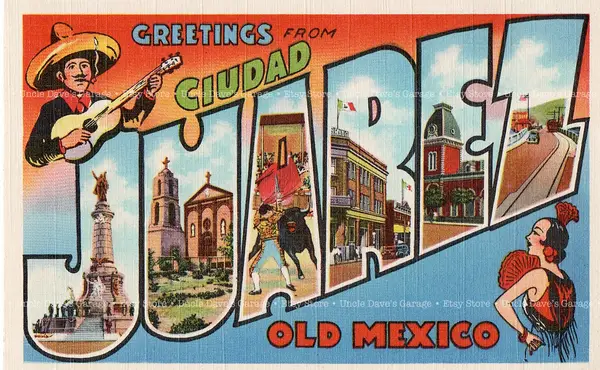 Ciudad Juárez has never been a quiet place. For more than a century it has absorbed waves of violence, hope, migration, and sudden death; first the Revolution, then Prohibition gangsters, later the narco wars, and always the relentless churn of the border itself. In a city where thousands have disappeared and many more have died without ceremony, it is no surprise that people still feel watched. What follows are six of the most persistent and best-documented ghost stories that belong exclusively to Juárez, told by locals, night watchmen, taxi drivers, and the few brave enough to walk certain streets after midnight.
- The Woman in Black on the Zaragoza Bridge
Every border city has its phantom hitchhiker, but Juárez’s is unmistakable: a tall woman dressed in funeral black, face hidden by a thick veil, walking the Mexican side of the old Zaragoza Bridge also called the Puente Negro. She always lurks around midnight. Motorists who slow down to offer a ride say she simply vanishes from the passenger seat the moment they cross into El Paso. The story is usually traced to 1963, when a young woman named María de la Luz Ramírez was stabbed to death on the bridge by a jealous lover. Her body was found at dawn, still clutching a small suitcase with her U.S. work permit. Since then, taxi drivers refuse to pick up solitary women in black at that hour, and 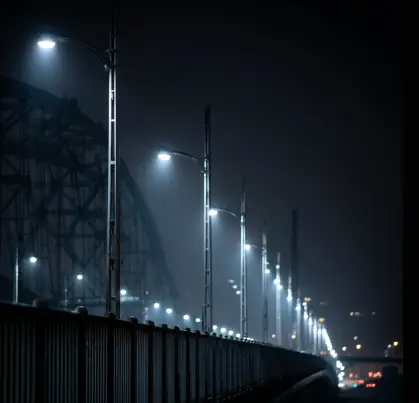 U.S. Customs officers on the American side have filed dozens of informal reports of a veiled figure who appears on closed-circuit cameras for a few frames and is gone. In 2018, a viral video taken from the Mexican side of the border showed a dark silhouette walking against the flow of traffic, then dissolving into the night the instant a truck’s headlights swept over her. The bridge is now lit by harsh LED lamps, but the woman, they say, still prefers the shadows.
- La Llorona of the Rio Grande
The classic weeping woman is known all over Mexico, but in Juárez she has a precise geography: the stretch of the Rio Grande between the American Dam and the ruins of the old ASARCO smelter. Here the riverbank is muddy, overgrown with carrizo cane, and littered with clothes, shoes, all sorts of trash and plastic flowers left by migrants who never made it across. Locals insist this Llorona is not the colonial-era legend but the spirit of a woman named Consuelo Armendáriz, who, in 1998, drowned her two small children in the river during a psychotic episode brought on by years of domestic abuse. She then walked into the current herself. Fishermen and Border Patrol agents alike report hearing a woman screaming just before dawn “¡Ay, mis hijos!”, or, in English, “Oh, my children!” The cries are always followed by the unmistakable sound of a body hitting the water. In flood years, when the river rises, her wails are said to travel all the way to the old Smeltertown cemetery, where candles left on unmarked children’s graves are found extinguished and soaking wet by morning.
- The Fantoms of the old General Hospital of Juárez
 The old General Hospital on Avenida Hermanos Escobar—abandoned since the new IMSS hospital opened in 2010—remains one of the most feared buildings in the city. During the bloodiest years of the cartel war – from 2008 to 2012 – the morgue routinely overflowed, and bodies were stacked in corridors. Nurses who worked the night shift still speak of elevators that went to the basement morgue by themselves, gurneys rolling down empty hallways, and the ghost of a nurse in a 1980s uniform who asks for morphine before fading through a wall. The most famous apparition is “The Nurse from Room 204,” a young woman who was assaulted and murdered by a patient in 1987. Security guards doing rounds after the hospital closed reported finding children’s drawings of a woman in white holding a syringe taped to the windows of the pediatric ward. These drawings were not there hours earlier. Urban explorers who sneak in – despite heavy padlocks and police patrols – often leave within minutes, complaining of overwhelming grief and the smell of antiseptic that has no source.
- Legends of the Secret Downtown Tunnels
Beneath Avenida Juárez and the old customs house runs a little-known network of brick-lined tunnels built during Prohibition to smuggle liquor into El Paso. After 1933 they were used for human trafficking, guns, and, in the 1970s, heroin. The entrances—some beneath the Kentucky Club, others under the cathedral’s sacristy—were officially sealed decades ago, but maintenance workers and 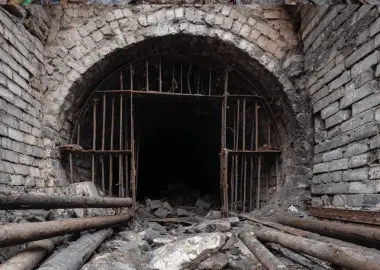 police still find them pried open. Urban explorers and thrill-seeking teenagers alike describe cold spots, whispers in archaic Spanish, and the sudden glow of lantern light around corners that reveal no one when reached. In 2014, a municipal worker repairing sewer lines near Plaza de la Mexicanidad stumbled into a branch of the tunnels and found a perfectly preserved 1920s bottle of bourbon and a fedora hat sitting on a crate as if someone had just stepped away moments before. The most common ghosts are “The Elegant Gangsters,” who are described as men in pin-stripe suits and two-tone shoes who vanish when approached, leaving only the faint scent of expensive cologne and gun oil.
- The Ghost of the Kentucky Club
The Kentucky Club, opened in 1920, claims to have invented the margarita and once served Marilyn Monroe, Frank Sinatra, and John Wayne. It also has a resident ghost who never clocks out. In 1976, a bartender named Don Raúl Sánchez was shot point-blank during a botched robbery. Since then, regular patrons and employees report seeing a man in a crisp white apron polishing glasses behind the bar long after closing. Glasses slide unaided across the mahogany counter, ice cubes clink in empty tumblers, and the cash register is said to occasionally ring up “no sale” at 3:13 a.m. which is the exact time Don Raúl died. The current owners leave a shot of Herradura tequila on the back bar every night to try to appease any restless spirits 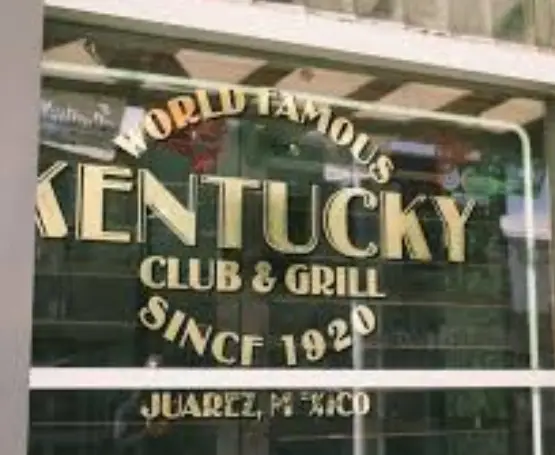 that may be hanging around. It is always empty by morning, with a perfect lip print on the rim that no one admits to leaving.
- The Little Children of the San Pedro Cemetery
The San Pedro Cemetery – also known as El Panteón Viejo – is Ciudad Juárez’s oldest public cemetery. Founded in 1886, it sits on a dusty hill behind the old railroad yards. The poorest section is a field of unmarked mounds and tiny concrete crosses where hundreds of children were buried during the 1918 Spanish flu epidemic, the 1930s border deportations, and, more recently, the femicide wave of the 1990s and 2000s. Caretakers and visitors hear children laughing, see small footprints in the dust that stop abruptly, and find toys—marbles, plastic cars, rag dolls—placed on graves that had none the day before. The most chilling accounts come from All Souls’ Night, coinciding with Mexico’s Day of the Dead, when families camping among the tombs report small cold hands tugging at their blankets and whispers asking, “Did you bring me bread?”. In 2021, a photographer doing a Día de Muertos series captured a clear image of three translucent 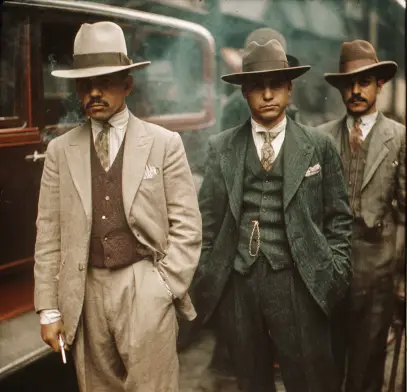 children in old-fashioned clothing sitting nonchalantly on a tombstone. When he returned minutes later with witnesses, the children were gone, but the marble slab was wet with fresh tears. Another story, dating to the early 1990s involves witnesses seeing an angry blonde girl of about 15 screaming and begging for her life. No one who has these ghostly encounters ever leaves the cemetery the same.
These six stories are not tales found in a big dusty book; they are living folklore. Taxi drivers still refuse fares to certain neighborhoods after dark. Mothers warn their children not to play near the river. Security guards at the old hospital demand hazard pay for night shifts. Even the city’s official tourism board now offers a “Ruta de Leyendas” bus tour that visits – from a safe distance – the bridge, the cemetery, and the Kentucky Club. In the border town of Ciudad Juárez, the dead do not stay neatly buried. They walk the same cracked sidewalks, wait at the same traffic lights, and sometimes ride the same buses as the living. For a city that has seen too much sorrow too fast, ghosts are not mere curiosities, they are neighbors. And on certain nights, when the wind smells of creosote and distant rain, you can still hear them asking, in voices almost too soft to catch, to be remembered.