
Podcast: Play in new window | Download
Subscribe: Apple Podcasts | RSS
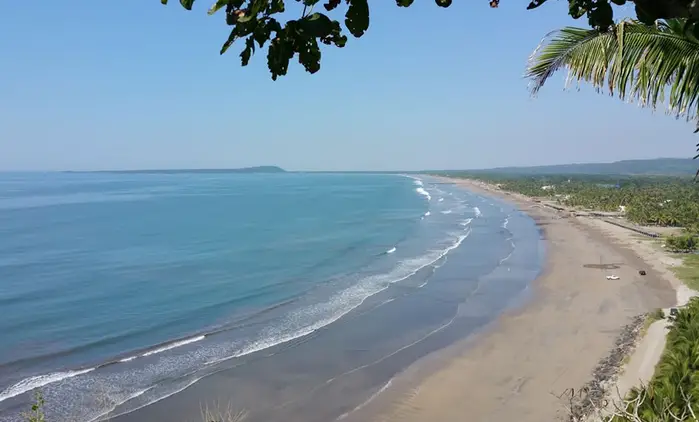 Along the serene, mangrove-fringed shores of Matanchén Bay in modern Nayarit, Mexico, lie the quiet traces of one of the earliest known human settlements in western Mexico. The Matanchén culture, sometimes referred to as the Matanchén Complex, represents a fascinating chapter in the prehistory of the Americas. Dating back more than 4,000 years, this coastal society thrived during the transition from the late Archaic period into the early Preclassic (or Formative) era, roughly between 2100 and 1700 BC. While it lacks the towering pyramids, intricate jade carvings, or sprawling urban centers associated with later Mesoamerican civilizations like the Olmec, Maya, or Aztec, the Matanchén people offer valuable insights into how ancient Mexicans adapted to rich marine environments long before agriculture dominated daily life.
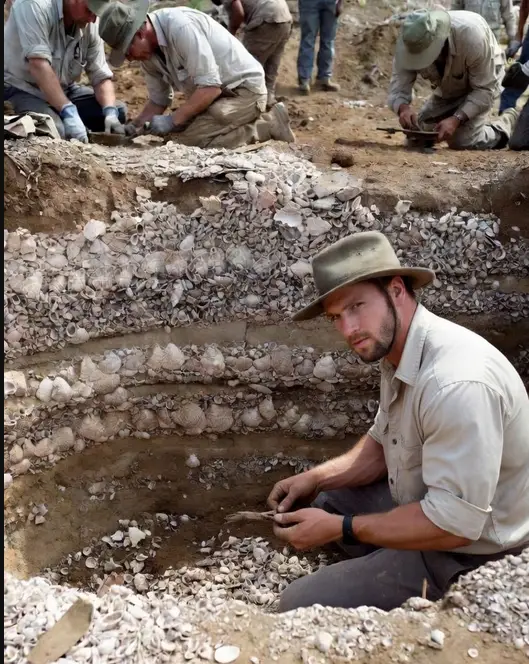
Matanchén Bay, located near the modern towns of San Blas and Aticama, provided an ideal setting for early settlement. The bay’s calm, shallow waters, protected by surrounding hills and islands, teemed with marine life. Today, the area is known for its beaches, surfing spots like Las Islitas, and ecological diversity, but thousands of years ago it supported a community whose survival centered almost entirely on the sea. The most visible remnants of their presence are the large shell middens; the massive accumulations of discarded shells from bivalves, conchs, and other shellfish that formed over generations of harvesting. These middens serve as time capsules. Archaeologists have uncovered layers of oyster, clam, and other mollusk remains, along with occasional fish bones and simple stone tools. The sheer volume of shells suggests intensive, repeated exploitation of the bay’s resources. Radiocarbon dating of marine shells from the sites has placed key activity around 1800 BC, with the broader complex spanning approximately 2100 to 1700 BC. These dates come from careful analysis of organic material preserved in the middens, offering some of the earliest evidence of sustained human occupation along this stretch of the Pacific coast.
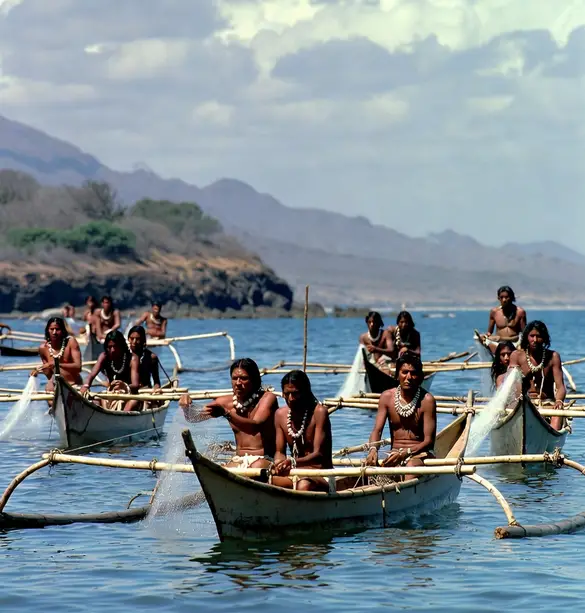 The lifestyle of the Matanchén people was that of skilled foragers who had achieved a degree of semi-sedentary or even sedentary existence. Unlike purely nomadic hunter-gatherers, they established habitation areas near the water’s edge, returning to the same locations season after season. Their economy revolved around shellfish collection, a reliable and relatively low-effort food source in a productive seaside environment. Harvesters likely waded into the shallow waters or used simple watercraft—perhaps basic canoes or rafts made from local materials—to access richer beds. Crude stone net weights found at sites indicate they may have dragged weighted nets along the bay bottom to gather shellfish in bulk.
This marine-focused diet of the Matanchén people was supplemented by other wild resources. The surrounding coastal plain and foothills offered opportunities for gathering plant foods, hunting small game, and possibly early experimentation with cultivation. However, the archaeological record emphasizes the sea as the cornerstone of their subsistence. In many ways, the Matanchén exemplify the “concheros” or “shell people” tradition seen in various parts of the Pacific coast, where communities built their lives around abundant mollusk populations.
Cultural connections extended far beyond the local bay. Evidence suggests ties with similar groups to the north, including sites in southern Sinaloa such as El Calón, where comparable shell middens and radiocarbon dates have been documented. These northern links point to a broader network of coastal adaptations stretching along the Pacific shoreline, potentially reaching into Baja California and even influencing or paralleling traditions in coastal California. Shared reliance on shellfish, similar tool technologies, and environmental parallels hint at the exchange of ideas, materials, or even occasional population movements among these distant communities. To the south and inland, the Matanchén laid foundational patterns that would influence later developments in western Mexico. The region eventually saw the rise of more complex societies, including the famous shaft tomb cultures of Nayarit and Jalisco during the Late Preclassic and Classic periods, and the Aztatlán tradition with its trade networks and Mesoamerican influences. While direct continuity is difficult to prove given the chronological gaps and limited excavations, the early coastal settlements like Matanchén demonstrate that human occupation in western Mexico has deep roots. They show how Pacific shores served as corridors for cultural interaction long before the better-known highland or Gulf Coast civilizations took shape.
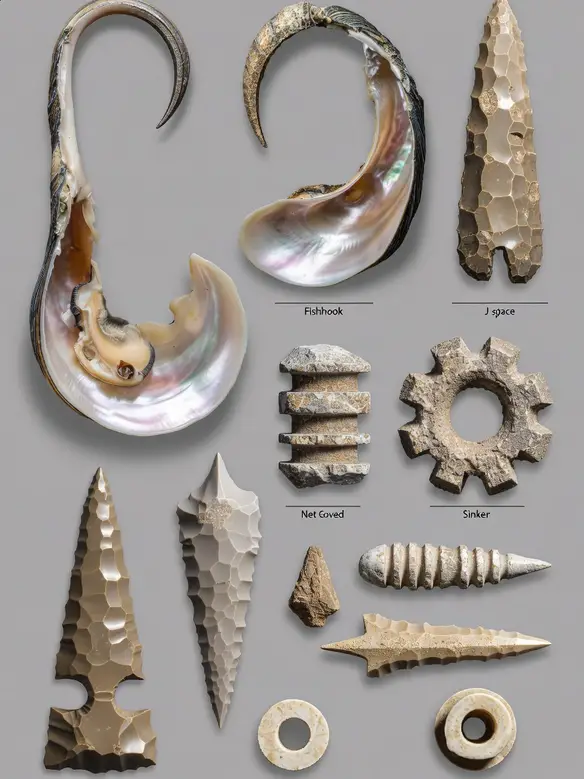 Artifacts from Matanchén sites are relatively simple but telling. The toolkit included basic flaked stone implements for processing food, grinding stones, and the aforementioned net weights. No elaborate pottery has been firmly associated with the earliest phases of the complex, consistent with its placement in the late Archaic before ceramic traditions fully developed in the region. Later occupations in the same area do show the introduction of ceramics, suggesting a gradual technological evolution. The absence of monumental architecture or clear signs of social hierarchy indicates a relatively egalitarian society organized around family or small kin groups, with leadership likely based on experience in harvesting or navigation rather than inherited power. Environmental factors played a crucial role in the culture’s success and eventual trajectory. The coastal plain of Nayarit has undergone significant changes over millennia due to sea level fluctuations, sediment deposition, and tectonic activity. During the time of the Matanchén, the bay may have been even more expansive or differently configured, offering richer habitats. Over time, shifts in the shoreline and climate could have altered resource availability, prompting adaptations or movements. Modern archaeological considerations of these changing landscapes help explain why some early sites are now inland or partially submerged, and why the record appears patchy.
The discovery and study of the Matanchén Complex owe much to the work of archaeologist Joseph B. Mountjoy, whose research in the 1970s brought scientific attention to the area through publications detailing new radiocarbon dates. His investigations highlighted the importance of these coastal sites in understanding the broader Archaic period in Mesoamerica and beyond. Subsequent work has registered dozens of related sites in the San Blas municipality, reinforcing the picture of a widespread but low-density occupation focused on marine resources.Today, the legacy of the Matanchén culture is preserved and interpreted for visitors at the Aticama Museum of Archaeology and History, located near the bay. Housed in a modest but dedicated space founded by local cultural organizations, the museum displays artifacts from the complex alongside later materials from the region. Exhibits explain the shellfish-based economy, the environmental context, and the cultural links to northern Pacific groups. The museum also contextualizes how these early inhabitants viewed the sea: not merely as a food source but as a powerful, sometimes merciful, sometimes demanding force that shaped their worldview. Local legends and oral traditions in the area may echo these ancient perceptions, blending with historical accounts of colonial and modern life along the Nayarit coast.
 Comparing the Matanchén to other Archaic societies reveals both unique features and shared patterns. In southern Mexico, for example, the Chantuto people of Chiapas also relied on coastal resources during a similar timeframe, creating shell middens and showing seasonal mobility. Farther north, Archaic groups in the American Southwest and California developed parallel adaptations to marine and lake-based environments. What sets the Matanchén apart is its position as an early marker for sustained settlement in a region that would later become a crossroads between Mesoamerican and more northerly cultural spheres. It challenges older models that portrayed western Mexico as peripheral or “backward” compared to the Olmec heartland in the Gulf lowlands, instead positioning the Pacific coast as an active zone of innovation in subsistence strategies. The transition from the Matanchén era to subsequent periods remains an area of ongoing research. By the Middle Formative, sites in the San Blas area show evidence of increasing sedentism, the adoption of ceramics, and possibly greater reliance on cultivated plants. Habitation areas from this time yield ecofacts that allow reconstruction of diet and seasonality, painting a picture of gradual intensification. Whether the later populations descended directly from Matanchén groups or incorporated new arrivals is unclear, but the continuity of coastal exploitation suggests that early adaptations provided a stable base for future growth.
In a broader sense, the Matanchén culture underscores the diversity of paths toward complexity in ancient Mexico. Not every society needed massive public works or rigid class structures to thrive for centuries. Small-scale coastal communities could achieve resilience through intimate knowledge of their environment, efficient resource use, and social cooperation. Their story also highlights the vulnerability of such lifeways to environmental change.
Visiting Matanchén Bay today offers a chance to reflect on this deep history. As waves lap against the shore and fishermen haul in modern catches, one can imagine the ancient foragers wading through the same waters, their daily rhythms tied to the tides. The hills behind Aticama still hold petroglyphs and other traces of later indigenous activity, while the bay itself remains a haven for birds, fish, and shellfish. Ecotourism and cultural initiatives in the area, including the work of local nonprofits, help protect both the natural environment and the archaeological heritage. Though 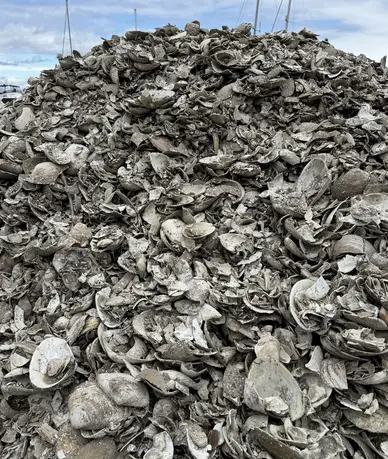 the Matanchén left no written records and relatively few portable artifacts, their contribution to human history is significant. They represent the foundational layers upon which later West Mexican cultures built, demonstrating that the Pacific coast was inhabited and utilized effectively from a very early date. In the grand narrative of Mesoamerican prehistory, they serve as a reminder that the story begins not only with impressive ceremonial centers but also with quiet, persistent communities who learned to live in harmony with the sea.
As archaeological techniques advance—including more precise dating, paleoecological analysis, and non-invasive surveys—our understanding of the Matanchén and related groups will undoubtedly deepen. Future discoveries may reveal more about their social organization, spiritual beliefs, or interactions with inland groups. For now, the shell middens and museum displays stand as humble but powerful testaments to human ingenuity on Mexico’s western edge. The Matanchén culture invites us to look beyond the familiar icons of ancient Mexico and appreciate the foundational role of coastal foragers. In their adaptation to Matanchén Bay, we see the enduring human drive to make a home in challenging yet bountiful landscapes, a drive that echoes across millennia and continues to shape life along the shores of western Mexico today.
REFERENCES
Mountjoy, Joseph B., R. E. Taylor, and Lawrence H. Feldman. 1972. “Matanchen Complex: New Radiocarbon Dates on Early Coastal Adaptation in West Mexico.” Science 175 (4027): 1242–43.
Mountjoy, Joseph B. 1974. “San Blas Complex Ecology.” In The Archaeology of West Mexico, edited by Betty Bell, 106–19. Ajijic, Mexico: Sociedad de Estudios Avanzados del Occidente de México.
Voorhies, Barbara. 2002. “A Middle Archaic Archaeological Site on the West Coast of Mexico.” Latin American Antiquity 13 (2): 179–200.