
Podcast: Play in new window | Download
Subscribe: Apple Podcasts | RSS
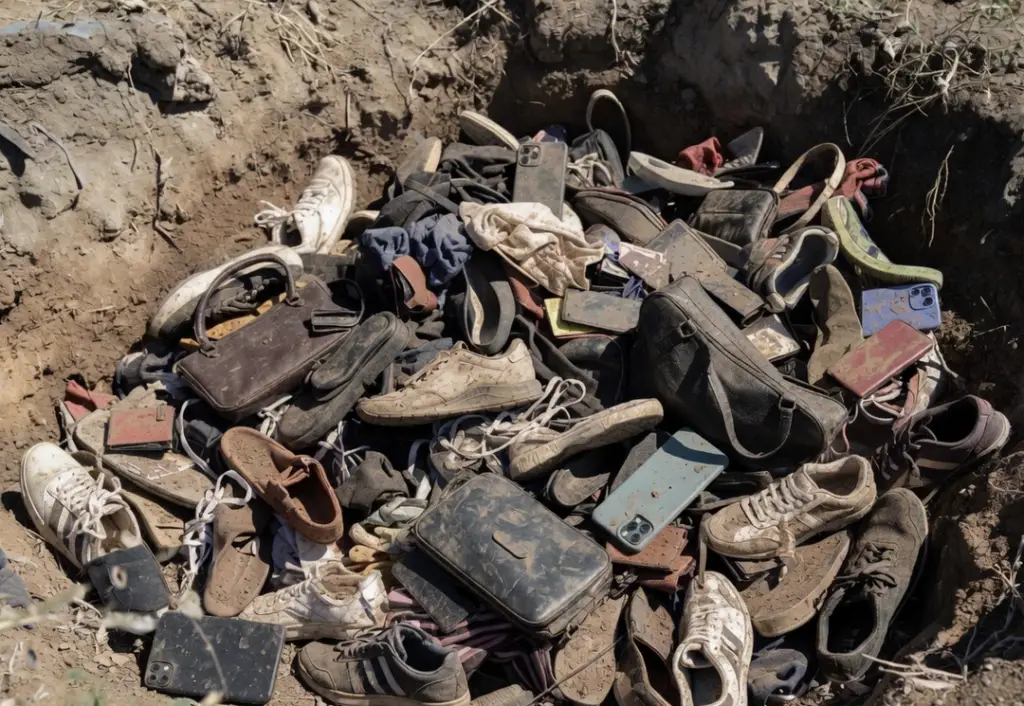 In early March 2025, a group of Mexican activists searching for missing loved ones uncovered what quickly became one of the most disturbing symbols of organized crime in modern Mexico. The setting was Rancho Izaguirre, a remote property in the municipality of Teuchitlán, Jalisco located about 40 miles west of Guadalajara. The activists discovered hundreds of personal belongings, evidence of paramilitary-style training facilities, and traces suggesting human remains. The site, allegedly operated by the powerful Jalisco New Generation Cartel, or CJNG, soon earned the grim nickname “the Jalisco extermination camp” in both Mexican and international media. Those who stumbled upon this “camp” portrayed it as a place where young people were lured with false promises, subjected to rigorous training for cartel operations, and where those who resisted or failed faced lethal consequences. While authorities later described it primarily as a forced recruitment and training center rather than a systematic death facility on the scale implied by some headlines, the discovery intensified national grief and outrage over Mexico’s ongoing crisis of forced disappearances.
The story of Rancho Izaguirre reflects how cartel operations have evolved in the Mexican state of Jalisco, long considered the CJNG’s heartland. Emerging in the early 2010s from splinter groups of established criminal organizations, the CJNG gained dominance through brutal tactics, advanced weaponry, and aggressive territorial control. By the mid-2020s, the group had spread across multiple states, engaging in drug trafficking, blackmail, extortion, fuel theft, and human smuggling. A particularly insidious tactic involved forced recruitment of unsuspecting youths. Cartel operatives targeted vulnerable young men—often unemployed or from struggling families—via deceptive social media advertisements promising lucrative “security” or agricultural jobs. Offers ranged from 4,000 to 12,000 Mexican pesos per week, or about 230 to almost 700 US dollars per week, which were sums far exceeding typical local wages. Recruits were transported to isolated ranches like Izaguirre, where their phones and identification documents were immediately confiscated, cutting them off from family and the outside world.
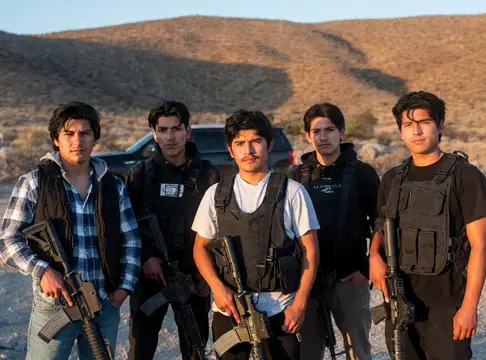 Life at the ranch followed a regimented, militaristic routine. New arrivals encountered what resembled a makeshift boot camp. Training included challenging obstacle courses constructed from tires, jagged plywood and scrap materials, shooting ranges with makeshift targets, and repetitive drills focused on physical endurance and combat discipline. The objective was to convert ordinary civilians into loyal foot soldiers, known as sicarios, ready to participate in turf battles, protection rackets, shakedowns or other enforcement actions. Successful recruits were often redeployed to high-risk areas across Mexico. Those who hesitated, performed poorly, or attempted to flee reportedly faced harsh repercussions. The ranch’s isolated setting—surrounded by sugarcane fields and accessible only through guarded entry points—provided the perfect environment for these activities, far from prying eyes.
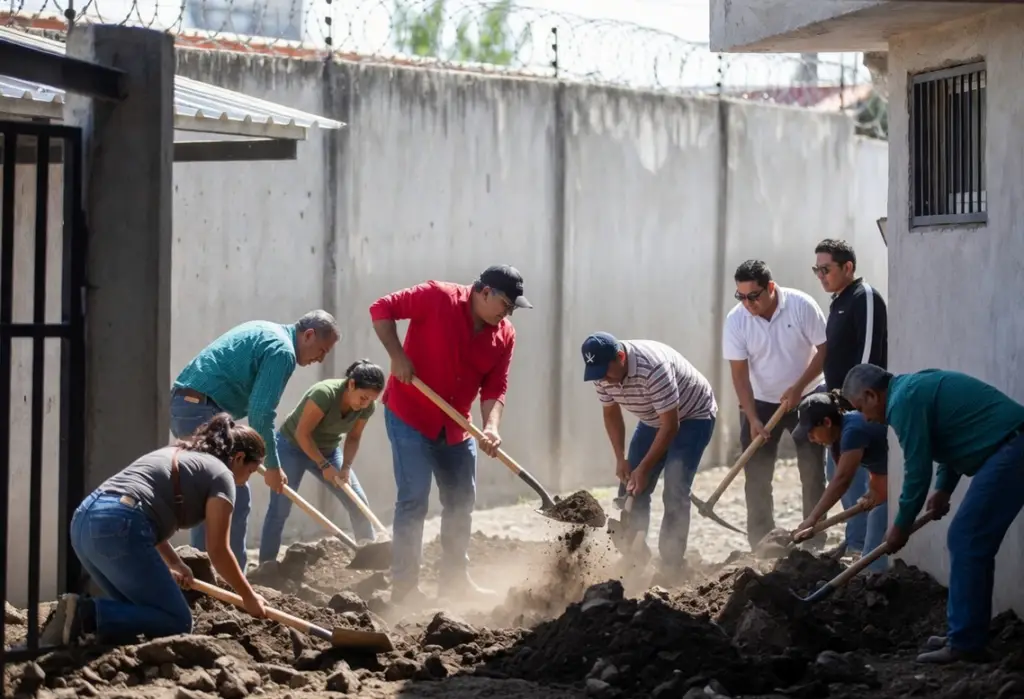
Mexican authorities first encountered the site in September 2024 during a joint operation by Mexico’s National Guard and Jalisco state prosecutors. They rescued two kidnapped individuals, arrested ten suspects, and seized caches of weapons. At that time, however, deeper examination of the property’s full scope did not occur. It was not until March 5, 2025, that the broader picture emerged. Members of a volunteer group composed of families searching for disappeared relatives, arrived at the ranch following an anonymous tip about possible burial grounds on the property. Working with basic tools and immense determination, they uncovered rows of shoes—estimates varied from 200 to more than 400 pairs—along with backpacks, purses, clothing, wallets, and other personal effects. Forensic teams later identified bone fragments and charred materials, as well as structures that appeared intended for the disposal of remains. Photographs of the recovered items circulated widely online, offering desperate families across the country a chance to scan for familiar belongings.
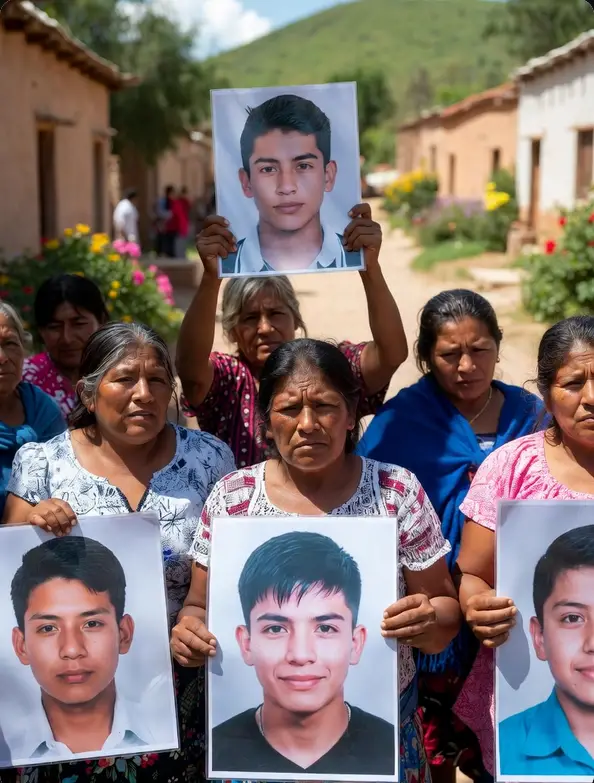 This activist-led revelation turned the quiet rural property into a national symbol of profound loss. Volunteer and activist groups have filled critical gaps where official efforts have faltered due to resource constraints, possible fear of reprisals or other challenges. Their work at Izaguirre struck a particularly emotional chord because of the combination of training equipment and signs of human tragedy. Vigils and protests quickly spread to Guadalajara, Mexico City, and numerous other cities. Demonstrators carried portraits of the missing and symbolic pairs of empty shoes, calling for justice and greater government accountability. Religious leaders, human rights advocates, and international organizations expressed concern and pushed for thorough and transparent investigations.
Mexican officials responded with public statements of condemnation and promises of action. President Claudia Sheinbaum called the findings deeply troubling and committed to a comprehensive inquiry. Federal authorities arrested several individuals linked to recruitment operations, including a figure reportedly overseeing one of the bogus employment website used to lure the unsuspecting victims. Later, Investigators dismantled the complex network of fake job websites sponsored by the cartel. However, officials cautioned against the full “extermination camp” characterization, noting that while lethal force was likely used against resisters, evidence did not support claims of industrialized mass killings. Forensic reviews found limited indications of large-scale cremation capabilities. The case was elevated to federal level amid questions about the handling of the initial state response. In the following weeks, local officials, including the mayor of Teuchitlán, faced arrest on charges related to organized crime and complicity.
The controversy over how to describe the site highlighted broader frustrations within Mexican society. For many families, Rancho Izaguirre exemplified a pattern in which cartels treat human lives as expendable resources in their pursuit of power and profit. Mexico’s official registry of missing persons has surpassed 120,000 cases, with Jalisco contributing a significant share. Many of these disappearances connect to recruitment drives or cartel-based territorial disputes. Clandestine sites for body disposal have appeared in the region over several years, representing a method to conceal evidence. For relatives such as those who recognized items belonging to loved ones who vanished in prior years, the discovery brought a painful mix of hope for answers and renewed sorrow.
 The events at the Izaguirre Ranch also drew attention to the psychological and social dimensions of cartel recruitment. Traumatized survivors who later spoke publicly described intense isolation, dehumanizing routines, and an atmosphere of constant intimidation designed to erode personal will and enforce total obedience. These facilities serve dual purposes: building operational capacity while breaking individuals into compliant tools of the organization. Experts point out that such tactics exploit economic desperation in regions where legitimate opportunities remain scarce, creating a vicious cycle of vulnerability and violence.
In the weeks following the discovery, two activists involved in publicizing the findings were tragically killed, underscoring the dangers faced by those who challenge cartel influence. Political debates intensified, with calls for independent forensic teams, better protection for search collectives, and stronger social programs to reduce recruitment pools. The ranch became more than a crime scene; it illustrated the deep intertwining of criminal networks with aspects of local governance and economies in affected areas.
Rancho Izaguirre ultimately stands as a stark reminder of the human toll exacted by cartel dominance. It tells a story of deception and control, of young lives interrupted by false promises, and of communities refusing to remain silent. As forensic work and investigations continue, many families cling to the possibility of identification and closure, however partial. In a nation where disappearances have become disturbingly commonplace, the exposure of this site compels a deeper reckoning with the underlying conditions that permit such places to operate. The tireless efforts of searchers—digging through soil, cataloging belongings, and sharing stories—keep pressure on authorities and ensure that these hidden tragedies are not forgotten. Their work, one painstaking step at a time, represents both mourning and resistance in the face of profound loss.
REFERENCES